The Range-Bag Reset: Improving Safety When Carrying Your Gun
Carrying a gun that is not loaded needs thinking and good planning. Problems can happen even before you leave your house like not having the eye protection or mixing bullets with the gun in the bag. Hurrying when you get ready can cause confusion when it matters most. A short and effective reset process can help you stay safe while moving your gun and also keep your range things organized and safe.
Create a Way to Unload the Gun
Before you start getting your gear ready find a place that's clean and has good light. Safety must come first: always point the front of the gun in a direction keep your finger away, from the trigger and pay attention to the gun as you work with it. Check the instructions from the maker of your gun for the way to unload your model; don't use rules you learned from other guns.
To start unloading take out the part that holds the bullets if your gun has one and open the part that loads the bullets. Always. Touch the inside of the gun and any other areas where bullets might be left as the guns instructions say. Taking out a magazine or opening a box doesn't always mean the gun is empty. If you are not sure. Ask someone who knows, like a gun instructor, a gun repair person or a safety person at the range.
This important check should happen before you put the gun into the bag. Doing this check away from things like car keys, bags or other distractions helps you stay focused on the job.
Make Your Bag and Case Safe
Your way of carrying the gun should show clearly that it is not loaded. Choose a case that covers the gun completely and secure it as the case says. If needed always lock the case as the law says or as the range says. Think about who might get into the case-this thinking can stop people from handling it without permission.
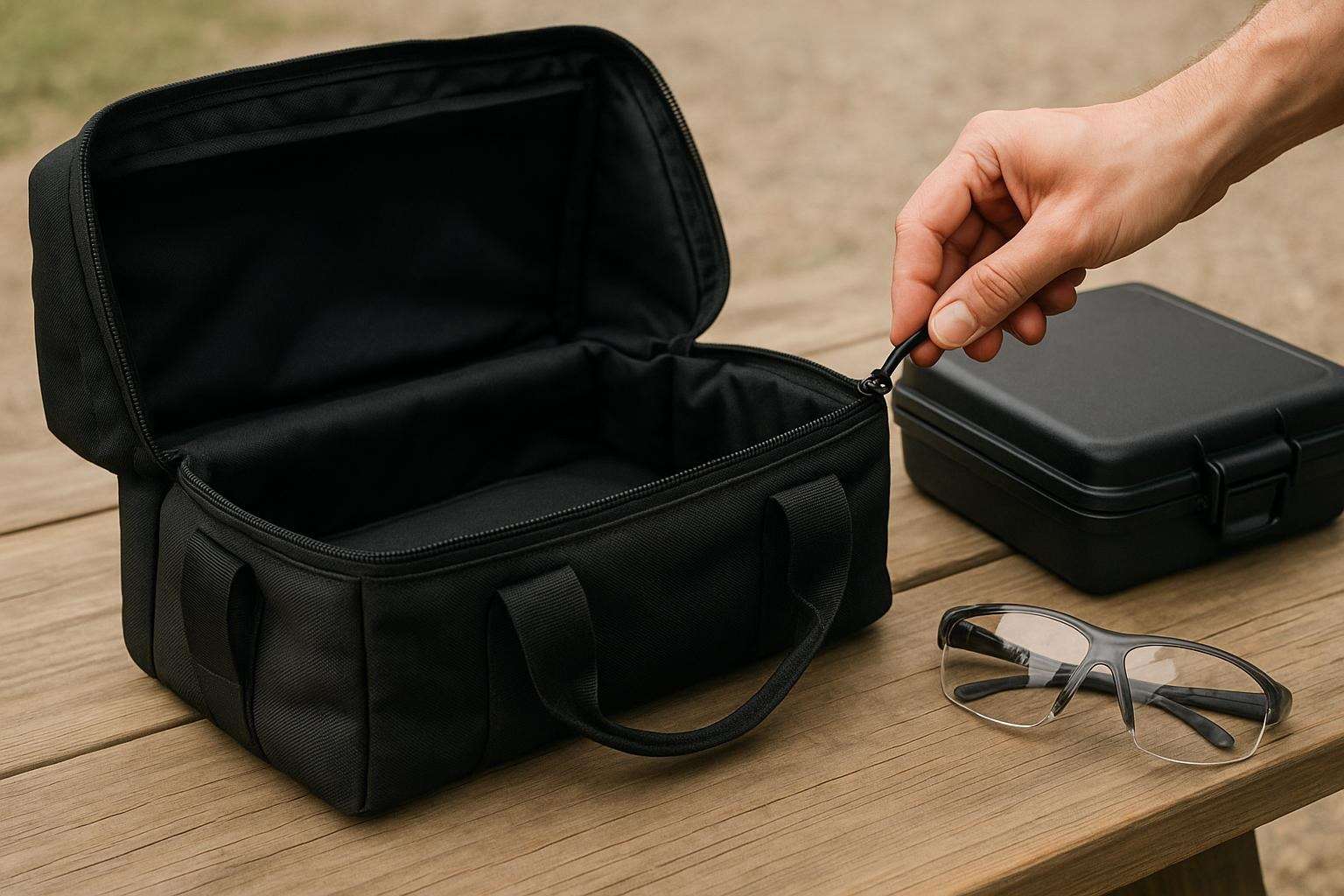
When you put things in the bag use a container for bullets instead of putting them in the same bag as the gun. Keeping bullets in a box or bag helps protect them keeps them organized and makes it less likely to mix them up. This separation helps make it clear what can and can't be handled together and makes everything safer.
Even though a flag that shows the gun is empty can help at the range it can't take the place of checking and making sure the gun is empty. Always check the rules at the place you are going especially if its a place because some places might have their rules.
Think About the Car When Carrying the Gun
with a case, where and how you put the gun in the car matters. It's best to keep it hidden and safe so it doesn't move around. Know the rules where you live about carrying guns because these can change and can be different depending on where you're what kind of gun you have or where you are going. Never leave the gun alone unless you are sure the way you put it is allowed by the law.
Before you start driving plan your path and any stops you might need. A direct trip helps the gun stay in the car for time. If you have to stop think carefully about how you are holding it. Don't treat your range bag like luggage; tell anyone handling it what's inside and what could happen if they do something
Keep the keys or combination somewhere safe. Never put any labels on the outside of the case. Good habits are important to make sure guns are not easy to get to by people who shouldn't have them.
Use One Easy Checklist
A simple checklist can help you remember all the steps you need to take. Before you leave go over these things:
– Make sure you checked the gun according to the manual.
– Make sure the action is open if thats possible and any parts that show if it's empty are in place.
– Make sure bullets are in a container.
– Make sure the gun is completely inside and locked in the case.
– Put things you need like protection for your eyes ID and any papers needed for the range.
– Make sure you know the safety and transport rules for where you are going.
– Make sure the case is hidden and stays safe while you are driving.
If any of these points make you unsure stop and fix it before you go. Forgetting a battery is not a deal. Being unsure about the guns status is a big problem.
Reset Your Steps When You Get Home
The important times are when you come back from the range. Being tired and wanting to get everything done can cause things to be left in the car or stored badly. Like before you left keep your safety steps: always point the front of the gun in a direction follow the unloading steps and check the gun before you put it in storage.
Put the gun where only the right people can reach it using locks that fit your home. Also make sure bullets are protected and kept away from people who shouldn't have them. Just having a room or a secure case isn't enough if others can get in or reach it.
Clean and check your gear after you know the gun is empty. The place is clean. If you see problems like dirt or rust check the owners manual. Get help from someone who knows of trying to fix it yourself. A good way to carry the gun should make the safe choice easy. When you're ready and when you come back home.
Remember that the rules about carrying and keeping guns can change. Always check the rules, from the people or the place you are going especially if you are driving across state lines or using different cars.