
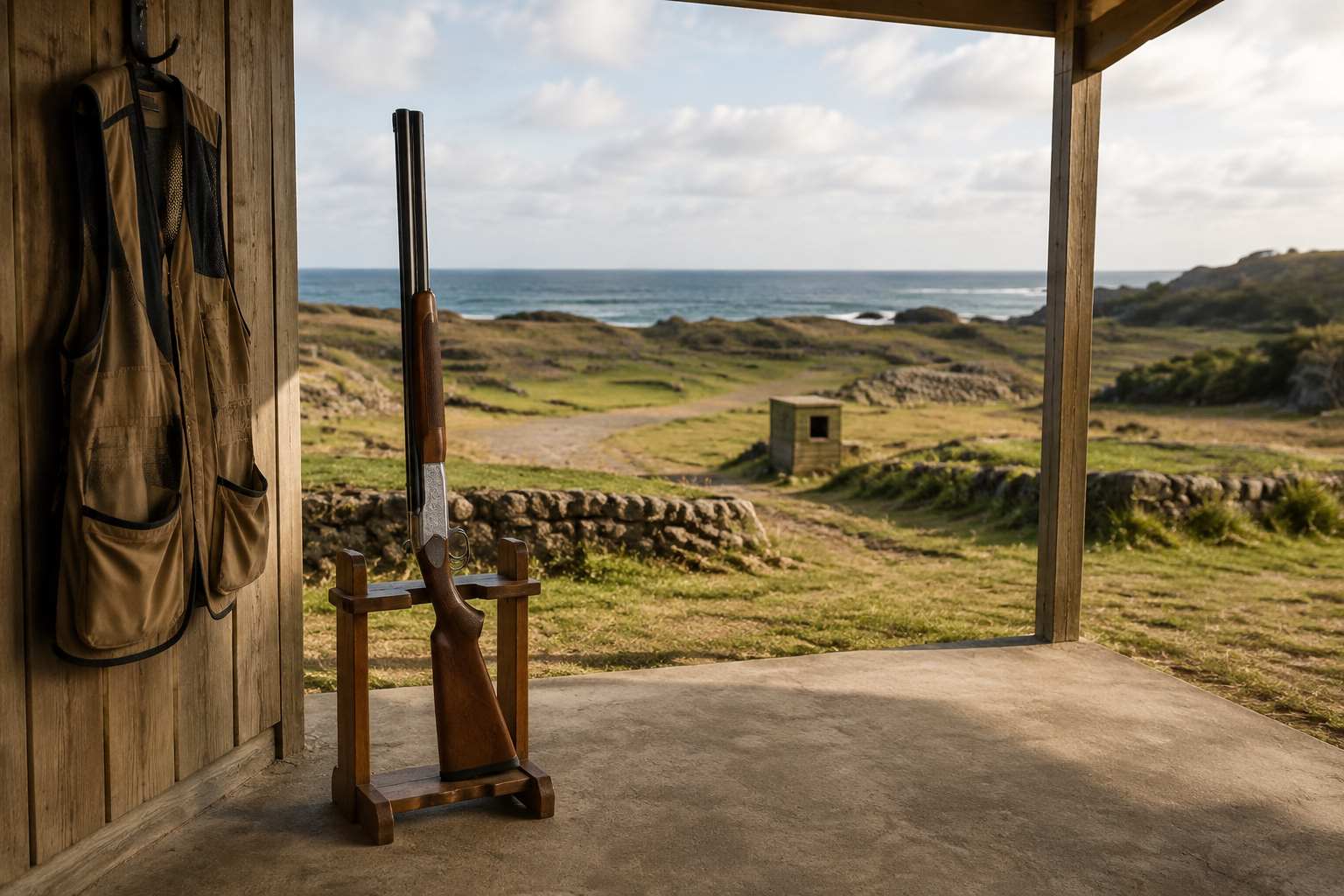
At the range a poor choice becomes obvious quickly. The grip feels awkward controls are hard to reach and attention shifts from handling to trying to get comfortable. Fit affects control, confidence and the ability to follow procedures without rushing. A smart buying decision matches the firearm to its intended use the user's physical needs and the practical demands of storage, transport, maintenance and training. Before the trip not halfway through it.
Start with the job not the category
Describe the intended use in language. Is the firearm for range practice target shooting, lawful hunting where permitted or another clearly defined purpose? The answer should narrow the field without turning the decision into a contest over features.
A target-oriented choice may favor a comfortable platform that is easy to operate consistently. Hunting raises questions about carry comfort, environmental exposure, local rules and the type of game legally pursued. A general-purpose range firearm should be simple to inspect, clean and store especially when several household members share responsibility for safety.
Avoid buying around an imagined identity or dramatic scenario. A firearm that looks impressive but does not suit the owner's training plans, storage arrangements or lawful use is a fit. The key question is not "What can this do?". Can I use, maintain and store this responsibly for the reason I am buying it?"
Treat fit as a safety check
Firearm fit is not the same as appearance. With the firearm unloaded and pointed in a direction the user should be able to establish a stable grip reach the relevant controls without shifting awkwardly and see the sights or optic as intended. The trigger finger should remain clearly outside the trigger guard until the user has decided to fire and is safely prepared to do
Size and weight are not automatically better or worse. A model that is too large may be difficult to control or carry safely; one that is too small or light may produce distracting recoil. Encourage a tense grip. The user should be able to hold it without excessive strain and move it from a safe ready position only under proper supervision and instruction.
Fit can change with hand size, strength, vision, clothing and experience. If possible handle an example at a reputable retailer or supervised range following the facility's rules. Ask whether the grip, stock or controls can be adjusted with manufacturer-approved parts and qualified help. Do not attempt modifications.
Learn the controls before choosing the platform
Controls should be understandable by touch and sight not familiar from photographs. A prospective owner should identify the safety mechanism, magazine release, slide or action controls, loading and unloading indicators and any other user-operated feature described in the manufacturer's manual.
The test is straightforward: can the user operate these features deliberately while maintaining muzzle awareness and keeping the trigger finger straight and outside the guard? If reaching a control requires a grip or hurried movement reconsider the model. Different operating systems also require handling routines so a recommendation based on a friend's preference may not suit another user.
Ask for an unloaded demonstration. Read the current manual before live ammunition enters the picture. A dealer, certified instructor or range safety officer can clarify operation but the manual remains the proper reference for the specific model. Never assume that two looking firearms share the same controls or unloading procedure.
Compare ownership demands, not just purchase choices
Selection includes everything that happens after the sale. Consider how the firearm will be stored against access, transported under current law and range rules, inspected, cleaned and maintained. Also plan for eye and hearing protection, suitable training and competent instruction. These are part of the decision, not additions.
Follow the manufacturer's maintenance instructions. Before cleaning confirm the firearm is unloaded remove all ammunition from the work area and keep the muzzle pointed in a direction. If the action, chamber or safety status is unclear. Seek qualified assistance. A firearm that has been dropped exposed to conditions or developed a change in operation should be inspected by a qualified gunsmith or other appropriate professional rather than altered at home.
The total cost includes storage, training, cleaning supplies, lawful transport and regular practice. A cheaper purchase can become more expensive if it is uncomfortable neglected or rarely used because the owner lacks confidence in its operation.
Catch common mistakes before range day
Many avoidable errors occur before anyone fires a shot. Buyers may choose a model because of popularity accept a borrowed recommendation without handling it skip the manual or assume a familiar brand means familiar controls. Others arrive with ammunition before confirming that it is correct for the firearm and permitted by the range.
Use this -trip checklist:
– Confirm the firearms lawful purpose, ownership requirements and current transport rules through official sources.
– Handle an example and check grip reach, sight picture and comfort.
– Identify every user-operated control from the manufacturer's manual.
– Arrange appropriate instruction and confirm the range's rules before arriving.
– Pack eye and hearing protection, approved ammunition and basic maintenance supplies.
– Transport and store the firearm as required by current law and facility policy.
– Keep ammunition separate during cleaning, inspection and preparation.
Requirements, for ownership, storage, transport, licensing and range use can change and vary by jurisdiction. Check official government guidance and the range's published rules rather than relying on an old post, casual opinion or remembered requirement.
A careful decision need not be complicated. Choose a firearm the user can fit, operate, maintain and store responsibly for a defined lawful purpose. If any part of that chain feels uncertain delay the purchase or trip ask a professional and resolve the uncertainty first.